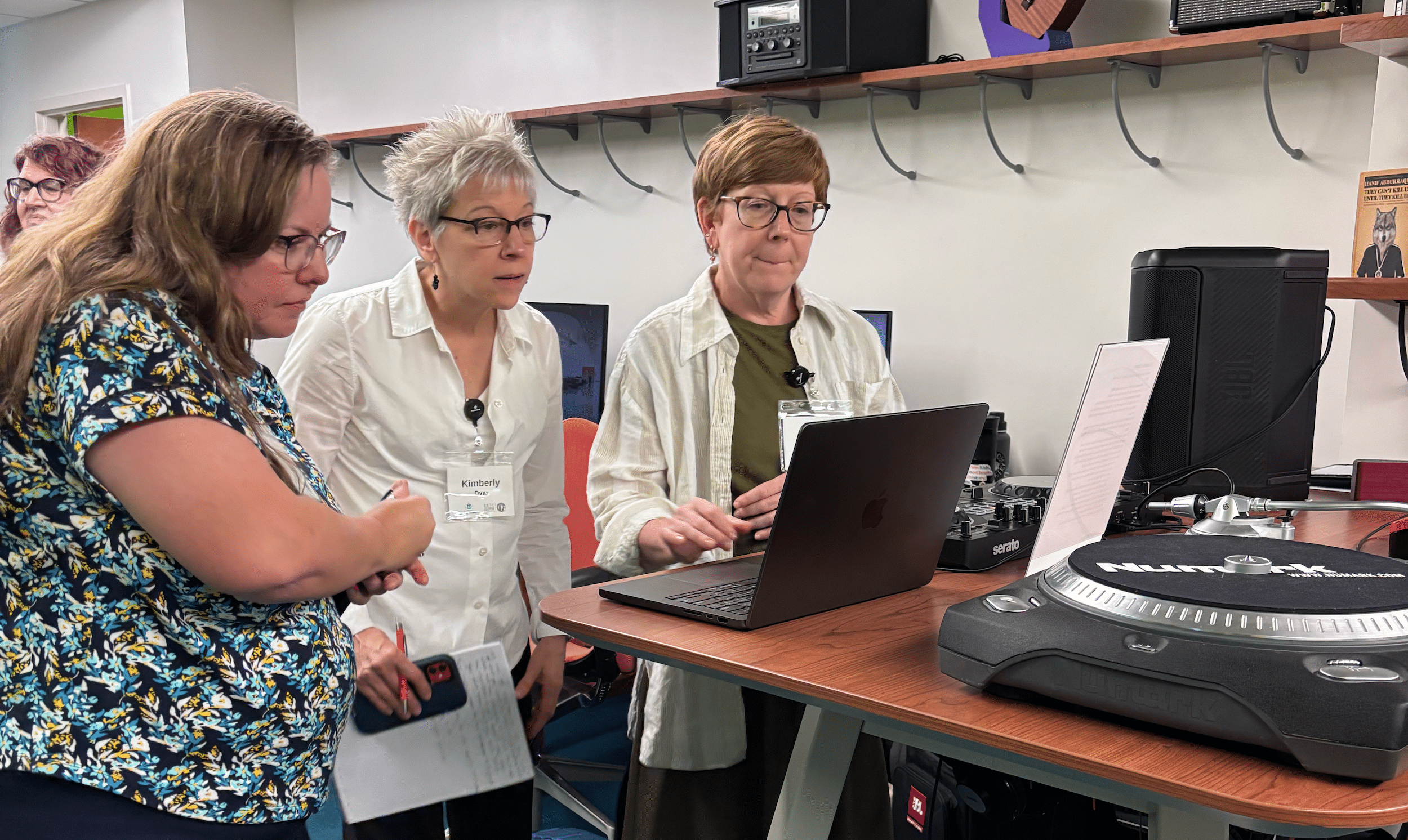
On August 31, the Blue Ribbon Commission on Public Education began their study and discussion of school administrative operations, their second charge as a commission. Although complex and nuanced, administrative operations are essential to helping schools operate efficiently and effectively.
School administrative operations directly affect student learning and achievement by shaping how schools staff, manage budgets, maintain facilities, implement technology and comply with federal and state policies. Research from the Learning Policy Institute indicates that improvements in adequate funding and resource allocation are connected to positive student outcomes including achievement scores, graduation rates and future wages.
As the costs of operating a school system rise due to inflation, increased employee benefits rates and evolving student needs, it is becoming harder for North Carolina’s public school system to ensure all students have equal access to a high-quality education. At the same time, the state’s funding system gives districts limited flexibility to address declining enrollment and rising costs in an increasingly competitive school choice environment. Administrative operations and school finance are key issues the Commission will prioritize when developing their recommendations for the governor and legislature early next year.
Operations Funding Can Determine Opportunity
Administrative operations include many systems in a school district, such as transportation, staffing, facilities, procurement and technology. These systems help determine whether educational resources reach all students equally and effectively.
“School funding mechanisms are not the magic bullet that [boosts] student outcomes,” said Eric A. Houck, associate professor at the University of North Carolina at Chapel Hill. “We know some things from the research. We know that sustained K-12 spending increases are associated with greater educational attainment…this depends on sustained implementation, targeting resources towards students with greater needs and districts with greater needs, and converting dollars into opportunities.”
According to the Education Law Center, North Carolina relies more heavily on state funding for public education than many other states. State funds are distributed based largely on student enrollment and needs rather than on how much each county can afford to contribute. This structure has historically helped limit resource gaps between wealthy and less wealthy communities. However, districts are increasingly relying on county funding to meet rising costs, and the Public School Forum of North Carolina’s 2026 Local School Finance Study shows how counties differ in how much they are able to provide.
Operations Impact Student Achievement
Research from the Learning Policy Institute shows that student outcomes are negatively impacted when education funding is cut. During the Great Recession, states with significant education funding cuts experienced lower test scores and decreased college enrollment rates, wider achievement gaps between different student demographics, and a smaller teacher workforce–the most influential factor on student learning.
Well-allocated increases in education funding have shown to improve student outcomes. In their How Money Matters report, the Learning Policy Institute showed how federal pandemic relief funding positively impacted student achievement between 2022 and 2024. High-need districts saw greater academic improvements in math and reading, districts that allocated more federal funds toward academic interventions such as tutoring saw greater achievement gains, and the achievement gap narrowed between high and low poverty districts by about a month of learning.
Operations Efficiency is Important

According to the North Carolina Department of Public Instruction, 61% of school expenditures are state funded, so the public should care about how their money is being spent. Inspired by the business industry, Commissioners discussed how school spending could be more efficient
“In the business world, operational efficiencies allow for competitive pricing of goods and services, and hopefully that results in increased profits. The more operational efficiencies that a school district achieves results in more funding that’s available to support teaching and learning,” said Don Martin, co-chair of the Blue Ribbon Commission and former chair of the Forsyth County Board of Commissioners. “So, the balancing act for superintendents and school boards is how some of the operational efficiencies are going to naturally conflict with instructional delivery and/or the convenience of teachers and parents.”
According to a recent Public School Forum Report on weighted student funding, current funding levels leave districts struggling to provide fundamental resources to educate their students. The report states that a modern, fully-funded school finance system should “empower local educators to implement innovative learning strategies, address the differentiated needs of students and communities, and provide every student with the resources necessary for lifelong success.” By managing operations more efficiently, schools can use funding more effectively and direct more resources to students.
Altogether, these funding pressures highlight the importance of examining how much North Carolina invests in public schools, how resources are allocated, how state and local responsibilities are balanced, and whether districts have the capacity and flexibility to provide a high quality education.
On September 28, the Commission will continue their review of administrative operations and will identify the key issues, opportunities and questions that will guide their work in the coming months.
To dive deeper into administrative operations, read our latest research brief.
- Categories: